%2Ffit-in%2F250x250%2Fguide_websites%2F55981%2Fimages%2F1760785588043489853412_3112487488900145_3448262865652734416_n-removebg-preview.png&w=1200&q=100)
/users/2d012387-ccf9-4bcf-b18b-f5fba67a9a80/ratecard/aqchvfav7iyxvfdiaonkk3okvrtm653cx9xh_3ldsxm5i4bf6rqsglp2mitxrgup6wykhw1hrjbzehiqmf86a5blfw5dmg9grcsl-6qoy0xekfbe4eocndx0iacpne8ncx66asm2w5mx_mwlc0msp1-vu9nqfb7jsaqs0-mkehm7q8.jpg)
%2F300x300%2Fusers%2F2d012387-ccf9-4bcf-b18b-f5fba67a9a80%2Fratecard%2Faqchvfav7iyxvfdiaonkk3okvrtm653cx9xh_3ldsxm5i4bf6rqsglp2mitxrgup6wykhw1hrjbzehiqmf86a5blfw5dmg9grcsl-6qoy0xekfbe4eocndx0iacpne8ncx66asm2w5mx_mwlc0msp1-vu9nqfb7jsaqs0-mkehm7q8.jpg&w=256&q=75)
%2F300x300%2Fusers%2F2d012387-ccf9-4bcf-b18b-f5fba67a9a80%2Fimages%2Fanglers-fishing-sheboygan-2502.jfif&w=256&q=75)
%2F300x300%2Fusers%2F2d012387-ccf9-4bcf-b18b-f5fba67a9a80%2Fimages%2Ffishing-adventure-wisconsin-2752.jfif&w=256&q=75)
%2F300x300%2Fusers%2F2d012387-ccf9-4bcf-b18b-f5fba67a9a80%2Fimages%2F6-chinook-salmon-sheboygan-fishing-2764.jfif&w=256&q=75)
%2F300x300%2Fusers%2F2d012387-ccf9-4bcf-b18b-f5fba67a9a80%2Fimages%2Fbest-great-fishing-adventure-wi-2710.jfif&w=256&q=75)
%2F300x300%2Fusers%2F2d012387-ccf9-4bcf-b18b-f5fba67a9a80%2Fimages%2Fbountiful-salmon-haul-wisconsin-2983.jpg&w=256&q=75)
%2F300x300%2Fusers%2F2d012387-ccf9-4bcf-b18b-f5fba67a9a80%2Fimages%2Fsheboygan-coho-salmon-wahoo-fish-2881.jpg&w=256&q=75)
%2F300x300%2Fusers%2F2d012387-ccf9-4bcf-b18b-f5fba67a9a80%2Fimages%2Fseven-chinook-salmon-wi-fishing-2940.jpg&w=256&q=75)
%2F300x300%2Fusers%2F2d012387-ccf9-4bcf-b18b-f5fba67a9a80%2Fimages%2Fbest-catch-chinook-salmon-wi-2590.jpg&w=256&q=75)
%2F300x300%2Fusers%2F2d012387-ccf9-4bcf-b18b-f5fba67a9a80%2Fimages%2Fchinook-salmon-catch-sheboygan-2904.jpg&w=256&q=75)
%2F300x300%2Fusers%2F2d012387-ccf9-4bcf-b18b-f5fba67a9a80%2Fimages%2Fsheboygan-salmon-catch-2981.jpg&w=256&q=75)
Sheboygan Lake Salmon Charter Angling Only
 Sheboygan, WI
What you will be catching:
 Chinook Salmon
 Coho Salmon
 Lake Trout
- 6-9 hour Lake Michigan salmon and trout fishing charter from Sheboygan
- All gear provided; requires Wisconsin license with Great Lakes stamp
- Fish guarantee program with maximum 6 guests per trip
Trip Pricing and Availabilities:
Weekend Salmon & Trout Charter on Lake Michigan
Get ready for some serious action on the big water! Our weekend salmon and trout charter puts you right in the heart of Lake Michigan's best fishing grounds, departing from the prime Sheboygan harbor. When you've got Friday through Sunday to work with, that's when the magic happens – fewer weekday crowds, more time to dial in on feeding fish, and the flexibility to adjust our game plan based on what Mother Nature throws at us. This isn't your typical half-day rush job. We're talking 6 to 9 hours of focused fishing time, giving us plenty of opportunity to put you on the fish that make Lake Michigan legendary.
What to Expect on the Water
Your day starts early at the Sheboygan marina, where you'll meet your captain and get the lowdown on conditions. Lake Michigan can be moody, but that's part of what makes it such a productive fishery. We'll head out into open water where the thermoclines set up just right, creating those underwater highways where salmon and trout cruise looking for their next meal. The boat comes loaded with everything you need – rods rigged and ready, downriggers set up, and tackle boxes full of the proven producers. You don't need to bring anything but your enthusiasm and a paper copy of your Wisconsin fishing license with that Great Lakes Salmon/Trout Stamp – they're pretty strict about having the physical license, so leave the phone version at home. Pack some rub-on sunscreen because the reflection off the water will get you, layer up with extra clothes since it can get chilly out there, and bring your food in soft-sided coolers that won't bang around the boat. We'll handle the rest.
Trolling the Depths
Lake Michigan fishing is all about covering water and finding the right depth where fish are holding. We run a spread of downriggers and planer boards that lets us work multiple levels of the water column at once. Some days the fish are hugging bottom in 80 feet, other days they're suspended at 40 feet over 200 feet of water. That's why the extended trip time matters – we can move around, adjust depths, change lures, and really dial in on what's working. The trolling setup might look complicated, but don't worry about it. Your job is to hang on when that rod tip starts bouncing and something heavy grabs your lure. We use everything from spoons and plugs to flasher and fly combos, depending on what the fish are telling us they want. The downriggers do the heavy lifting of getting your bait down to the strike zone, while the planer boards spread our lines out wide so we can cover more territory as we cruise along.
Target Species You'll Hook
Chinook Salmon are the kings of Lake Michigan for good reason. These bruisers can push 20 to 30 pounds and fight like freight trains once they're hooked. Peak season runs from May through August, with the bigger fish typically showing up in the deeper, cooler water as summer progresses. They're aggressive feeders that love the morning and evening bites, and when you hook into a mature king, you're in for a battle that can last 20 minutes or more. The way they strip drag and make those powerful runs toward bottom is what keeps anglers coming back year after year. These fish don't give up easy, and landing a trophy chinook is something you'll remember forever.
Coho Salmon bring a different kind of excitement to the table. They're smaller than the kings, usually running 8 to 15 pounds, but what they lack in size they make up for in acrobatics. Cohos are jumpers – hook one and you'll see why they're called silver rockets. They'll clear the water multiple times during the fight, twisting and turning as they try to throw the hook. They tend to stay higher in the water column than chinooks, making them perfect targets when we're working the upper thermocline. Cohos also school up more than kings, so when you find one, there's usually more around. They're excellent eating fish with that classic salmon flavor that's not too strong.
Lake Trout are the natives here, and they've been calling Lake Michigan home long before the salmon programs started. These fish are built for the deep, cold water and can live for decades, growing to impressive sizes. Lakers in the 15 to 25-pound range are common, with some real monsters pushing 30 plus pounds. They're bottom huggers that love the rocky structure and drop-offs around Sheboygan. Lake trout fight differently than salmon – more of a steady, powerful pull than the explosive runs of a king. They're curious fish that will often follow a lure for a long time before committing. When the salmon bite is tough, lake trout can save the day, and they're fantastic on the dinner table with firm, flaky meat.
Time to Book Your Weekend
This weekend charter hits the sweet spot for serious anglers who want to maximize their time on productive water. The 6 to 9-hour window gives us flexibility to adapt to conditions and really work the areas where fish are concentrated. With all gear included and room for up to 6 anglers total, it's perfect for family groups or friends looking to experience world-class Great Lakes fishing. The fish guarantee program shows we're confident in putting you on quality fish – that's not something you see from guides who aren't sure about their fishing. May through August is prime time on Lake Michigan, and weekend slots fill up fast during the peak summer months. Don't wait until the last minute to secure your dates, especially if you've got a group that wants to fish together. Book your spot now and get ready for some of the best salmon and trout action the Great Lakes has to offer.
Learn more about the species
Chinook Salmon
King salmon are the biggest fish we chase out here, typically running 15-25 pounds with some bruisers pushing 30+. These silver-sided fighters with black-spotted backs stay deep in Lake Michigan's cold water, usually 60-120 feet down during our peak season. They're light-sensitive, so early morning and evening bites are prime time. What makes kings special is that hard pull when they hit – they'll peel line and make long runs that test your drag. The meat is rich and orange, perfect for the grill. Here's a local tip: when trolling spoons or plugs, vary your speed between 2.5-3.5 mph until you find what they want that day. Once you dial it in, stay consistent and watch for doubles.
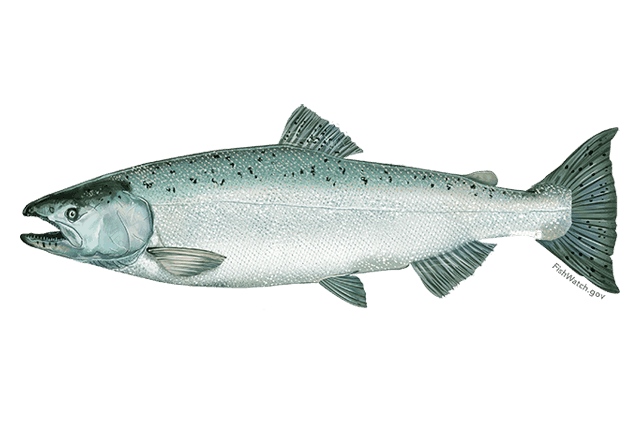
Coho Salmon
Silver salmon are the acrobats of Lake Michigan, known for jumping clear out of the water when hooked. They typically run 8-12 pounds and have bright silver sides that flash in the sun. You'll find them anywhere from 40-80 feet deep, often suspended mid-water column chasing bait schools. Cohos are aggressive feeders and will hit fast-moving lures with authority. What guests love is the aerial show – these fish can jump 6 feet vertically and will dance across the surface. The orange-pink meat is top-notch table fare too. Best action happens during dawn and dusk when they're actively feeding. Local secret: when cohos are finicky, slow your trolling speed down to 1.8-2.2 mph and use smaller spoons in bright colors like chartreuse or pink.
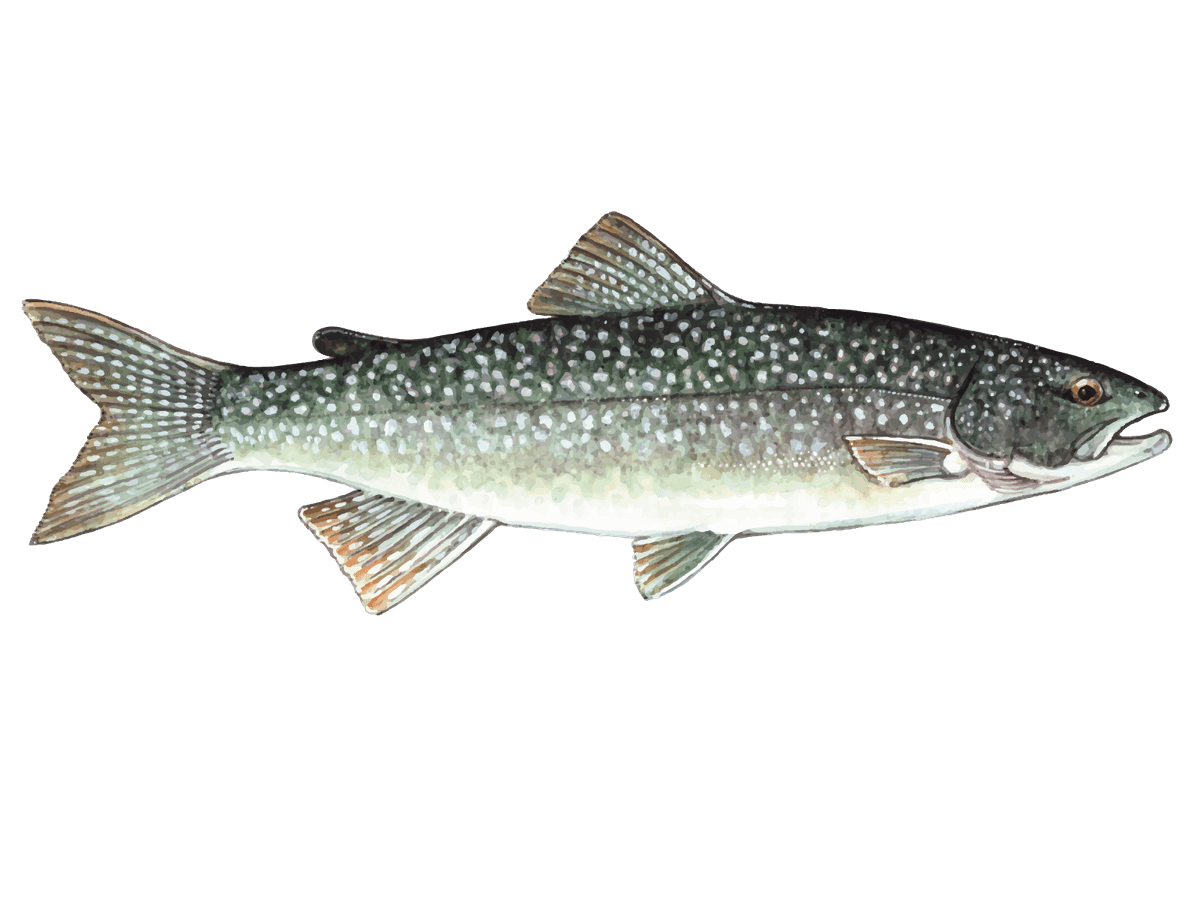
Lake Trout
Lake trout are the deep-water specialists of the Great Lakes, often found suspended 80-200 feet down in the coldest water we can find. These grey-green fish with cream markings typically run 5-15 pounds, though bigger ones definitely swim around. They're slow-growing natives that really turn on during overcast days and low-light conditions. What's cool about lakers is they fight differently than salmon – more of a bulldogging, head-shaking battle than flashy runs. The meat is firm and mild, great eating. Spring right after ice-out and fall are your best shots when they move shallower. Pro tip: when jigging for them, use a flutter spoon and let it free-fall on slack line – that's when most hits happen, on the drop.
About the Baja Cruiser
%2F%2Fusers%2F2d012387-ccf9-4bcf-b18b-f5fba67a9a80%2Fvehicle_picture%2F481957585_122158934906333889_5746975840664726035_n1-mgvyjusy.jpg&w=1200&q=75)
Vehicle Guest Capacity: 6
Manufacturer Name: Mercury
Maximum Cruising Speed: 10
Number of Engines: 1
Horsepower per Engine: 454